El Rocío: A Journey of Faith and Fiesta Through Andalusia
In early June, the rhythm of Andalusia changes.
From the cobbled streets of Seville to the pine forests of Doñana, a wave of devotion and celebration moves across the land. This is El Rocío—a pilgrimage like no other, where religious tradition, rural life, and Andalusian identity come together in a powerful expression of faith, joy, and community.
For anyone curious about Andalusian culture, El Rocío offers a glimpse into something raw, beautiful, and deeply human.
We bring your group into this world all year round: a mini Camino del Rocío for your team, a ride through the marshes on horseback, or a guided day inside Doñana National Park. Transport, guides, horses, catering and permits are all taken care of.
Understanding El Rocío
What Is El Rocío?
El Rocío is one of Spain’s most important pilgrimages, honoring the Virgin of El Rocío (La Virgen del Rocío), also known as the Blanca Paloma—the White Dove, in the village with the same name in the province of Huelva.
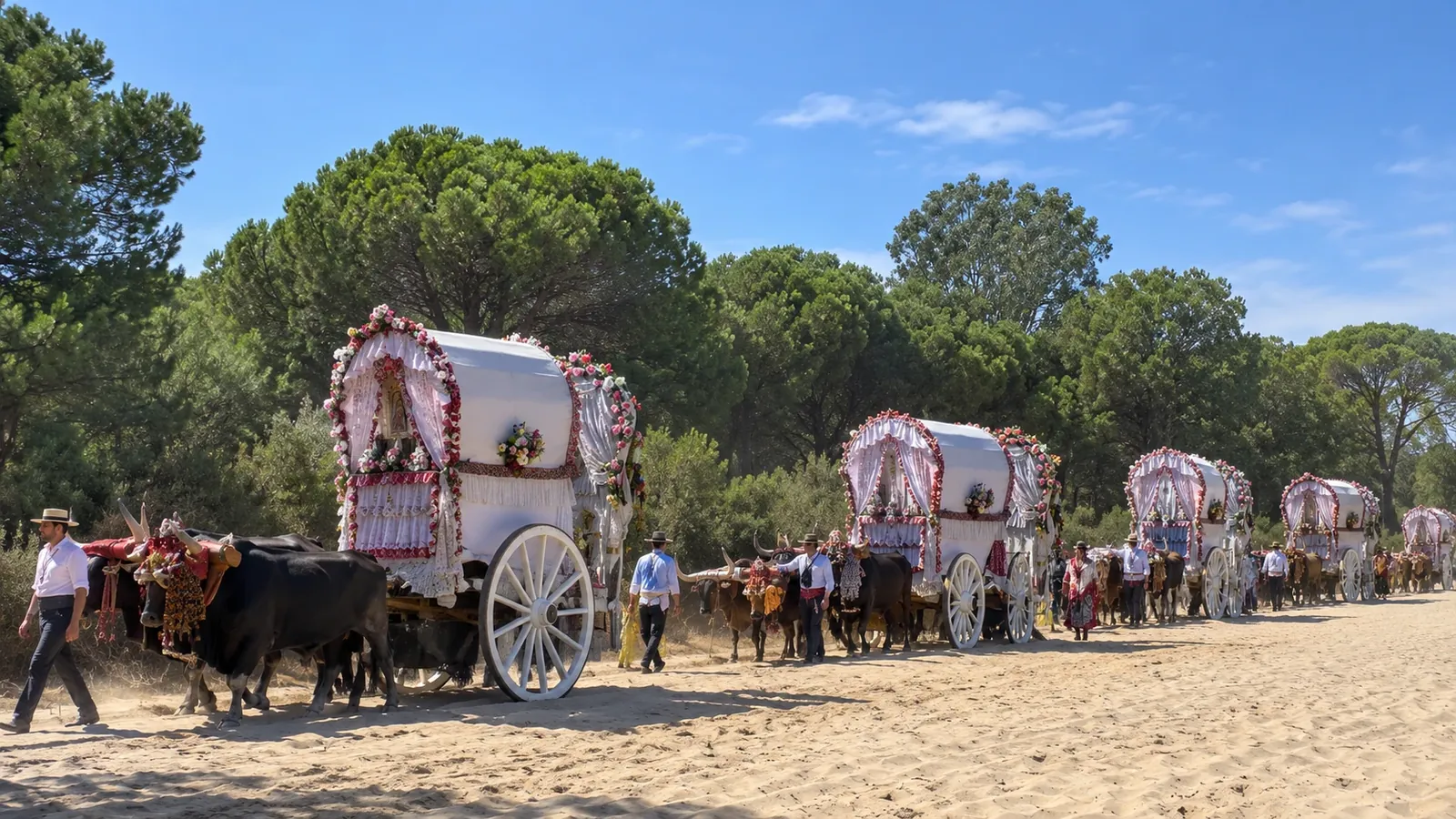
Pilgrims, known as romeros, travel for days—on foot, horseback, or in flower-covered wagons—across countryside paths called caminos. Their destination: the village of El Rocío in the province of Huelva, near the protected wetlands of Doñana National Park.
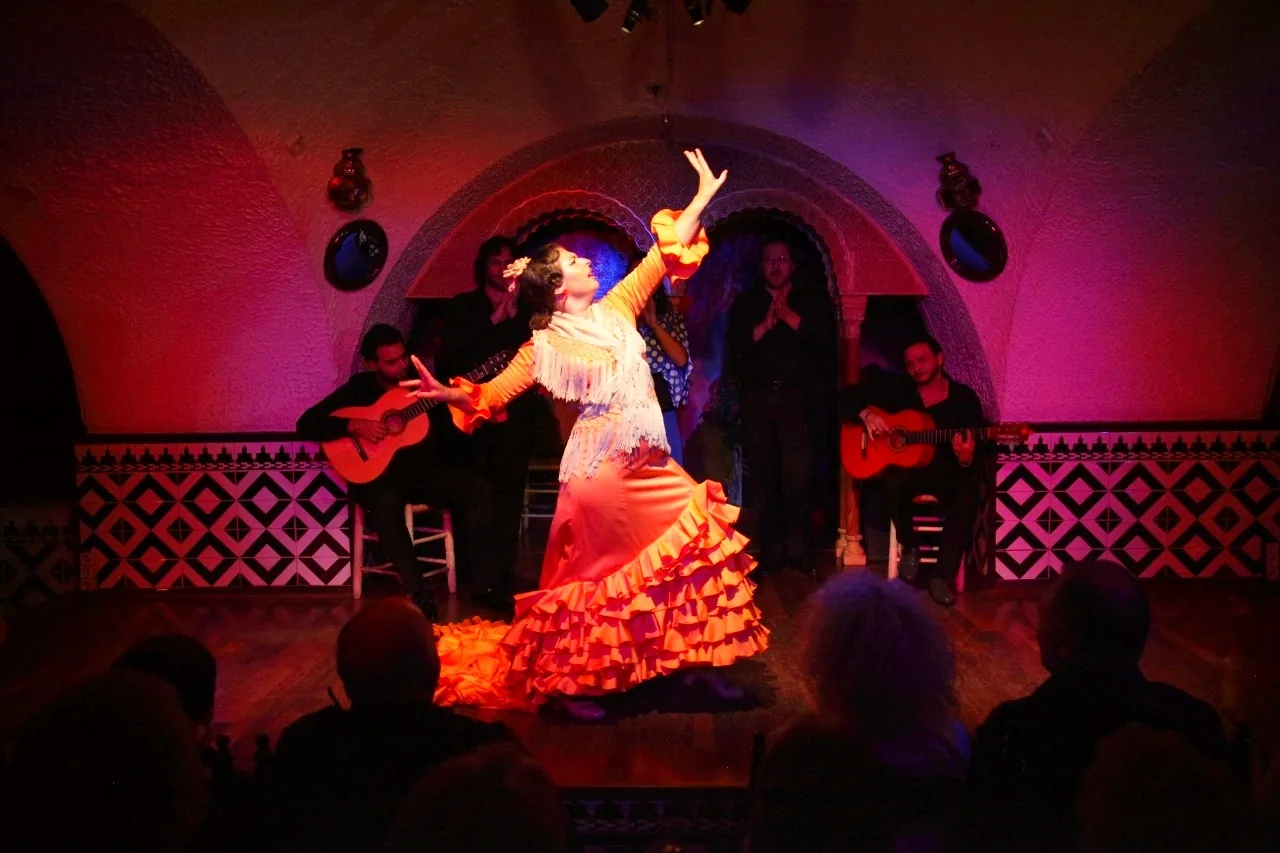
What makes El Rocío so unique is its blend of deep spirituality and festive atmosphere. You’ll hear flamenco singing at dusk, see women in traditional trajes de flamenca walking barefoot in the sand, and witness riders performing equestrian traditions passed down through generations.
When Does It Take Place?
El Rocío takes place during the weekend of Pentecost (typically in late May or early June), but the pilgrimage begins several days earlier. Each hermandad—a brotherhood from a specific town or city—follows its own route and schedule, creating a flowing mosaic of moving camps and devotion across southern Spain.
The climax of the event is the Madrugá del Rocío, the early morning procession on Pentecost Monday, when the Virgin is carried through the village among an ocean of emotions.
A Living Tradition
Many Andalusians participate every year, often as a family tradition. The pilgrimage mixes the sacred and the earthly: Masses are celebrated in the open air, flamenco choruses echo through forests, and strangers share food and stories under the stars.
The landscapes themselves—sandy roads, marshes, and shaded groves—become part of the experience. Nature and spirituality are inseparable here.
Seville’s Connection to El Rocío
Seville plays a central role in the pilgrimage. The Hermandad de Sevilla is one of the oldest and most prominent brotherhoods, and its departure from the city is a major event.
In the days leading up to the pilgrimage, Sevillanos gather to see the departure of the wagons and oxen, which roll slowly through the Triana district and across the Guadalquivir River. It’s a sight filled with color, emotion, and anticipation.
Even for those not making the full journey, the atmosphere in Seville during El Rocío is something special. Churches hold send-off ceremonies, flamenco can be heard in the air, and the city becomes a point of passage on this ancient route.
Why It Matters
El Rocío is not just a cultural event—it’s a moment when Andalusia looks inward and outward at the same time. It’s a celebration of identity, community, and continuity.
Whether you’re a believer, a music lover, or a curious traveler, understanding El Rocío means understanding a vital piece of Andalusia’s soul.
Three ways to experience El Rocío and Doñana
Select an experience to add it to your proposal request. They can be combined into a full-day programme.
Mini Camino del Rocío for your team
Private coach to the start of the route, with a short introduction to the pilgrimage on the way.
Your group walks a section of the pilgrim route, accompanied by a traditional wagon and a local guide.
A countryside lunch with sevillanas music and guitar, the way pilgrims rest on the road.
Visit to the Hermitage of the Virgen del Rocío and time to explore the village before returning to Seville.
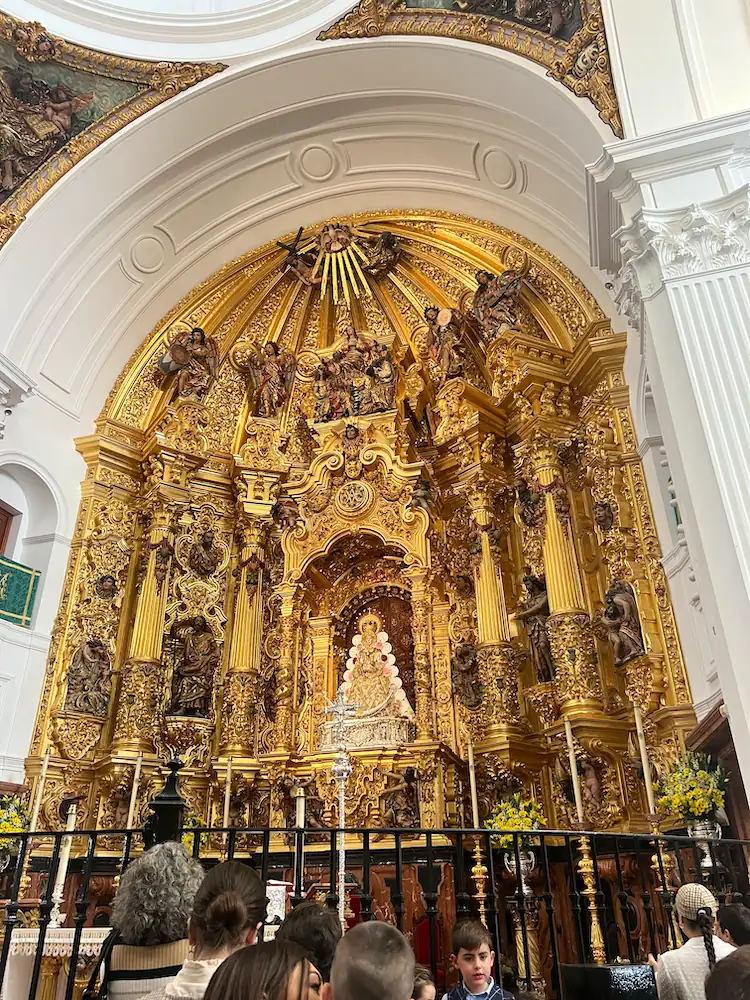
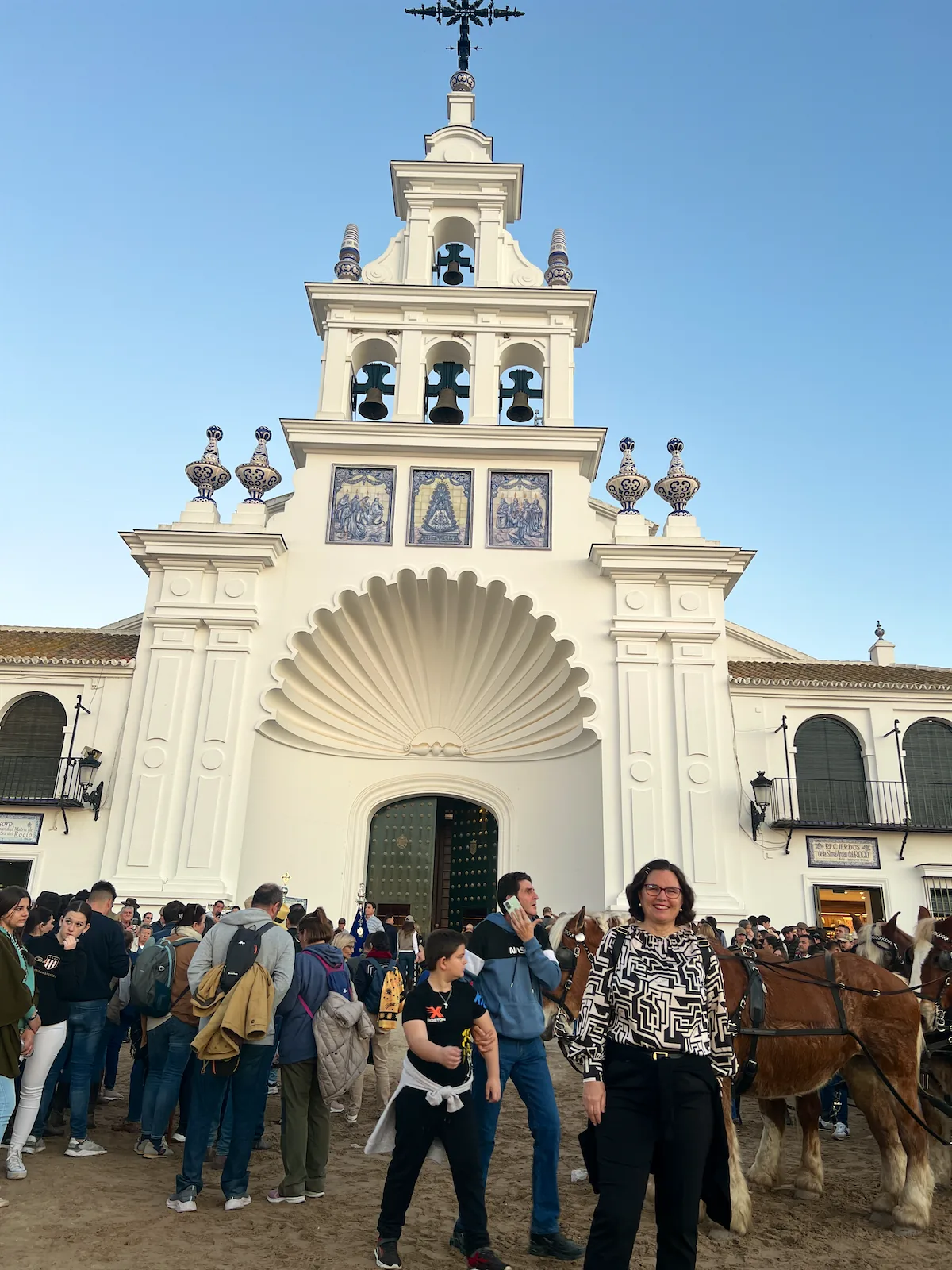
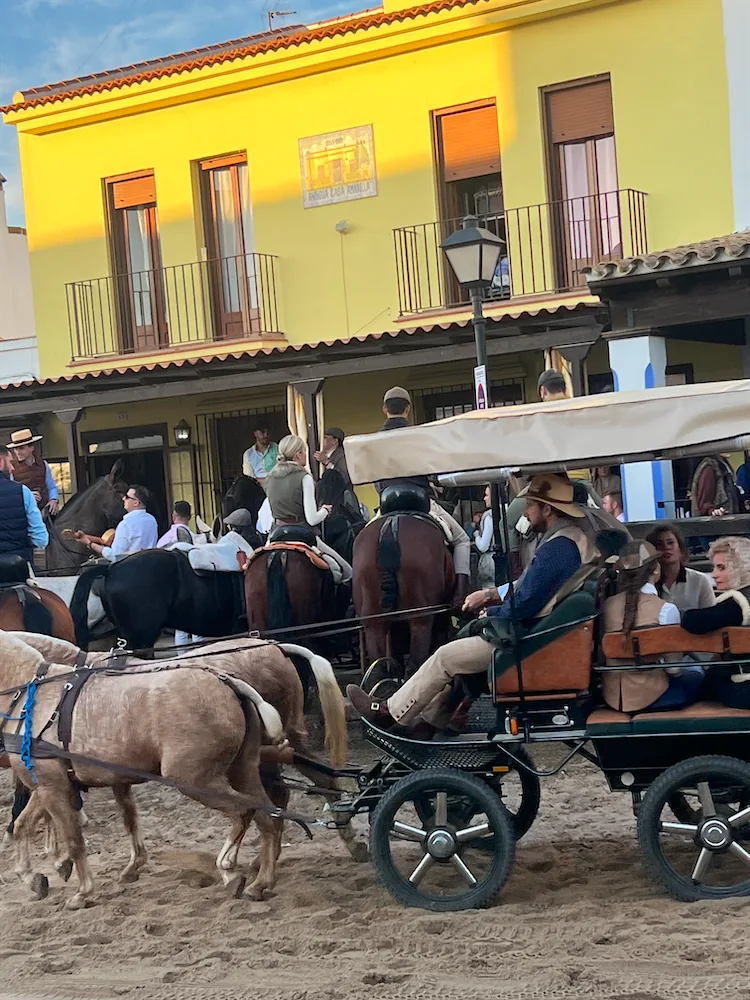
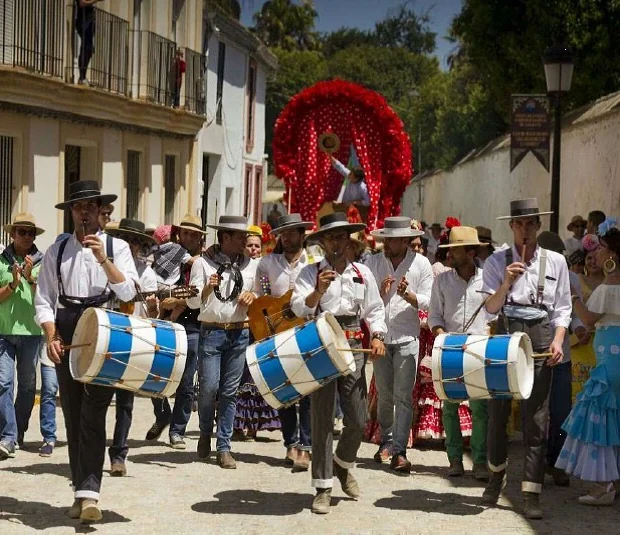
El Rocío is more than a religious ritual. It’s a living expression of Andalusia’s identity.
Planning your day in El Rocío and Doñana
The pilgrimage takes place around Pentecost, usually in May or June. During those days the village is reserved for pilgrims, so we recommend corporate programmes outside the Romería week.
Spring and autumn offer mild weather and the best birdlife. In summer we plan early starts and sunset rides to avoid the heat.
Comfortable closed shoes and light layers. The streets of El Rocío are sand, not pavement.
A full-day excursion fits easily into a Seville incentive programme, with dinner back in the city the same evening.
Build it into a complete programme
We're Experts in El Rocío & Doñana Experiences
Planning a day in El Rocío or Doñana for your group? Send us an enquiry.
Get In TouchEl Rocío and Doñana: common questions
Can our group take part in the real Romería del Rocío?+
The Romería is a religious pilgrimage organised by local brotherhoods, and access during those days is very limited. For corporate groups we recommend the mini Camino del Rocío on other dates, which captures the spirit of the journey without the crowds.
How far is El Rocío from Seville?+
El Rocío is about 70 km from Seville, approximately one hour by private coach.
Do guests need riding experience for the horseback ride?+
No. Our riding partners provide calm, well-trained horses and adapt the route to the level of the group. Experienced riders can choose a longer route.
Is the mini Camino suitable for all fitness levels?+
Yes. The walking section is on flat, sandy paths and the distance is adapted to your group. Guests who prefer not to walk can travel in the wagon or join at the lunch stop.
Can we combine these experiences in one day?+
Yes. A popular option is a morning in Doñana National Park followed by lunch and a visit to the village of El Rocío, returning to Seville in the late afternoon.

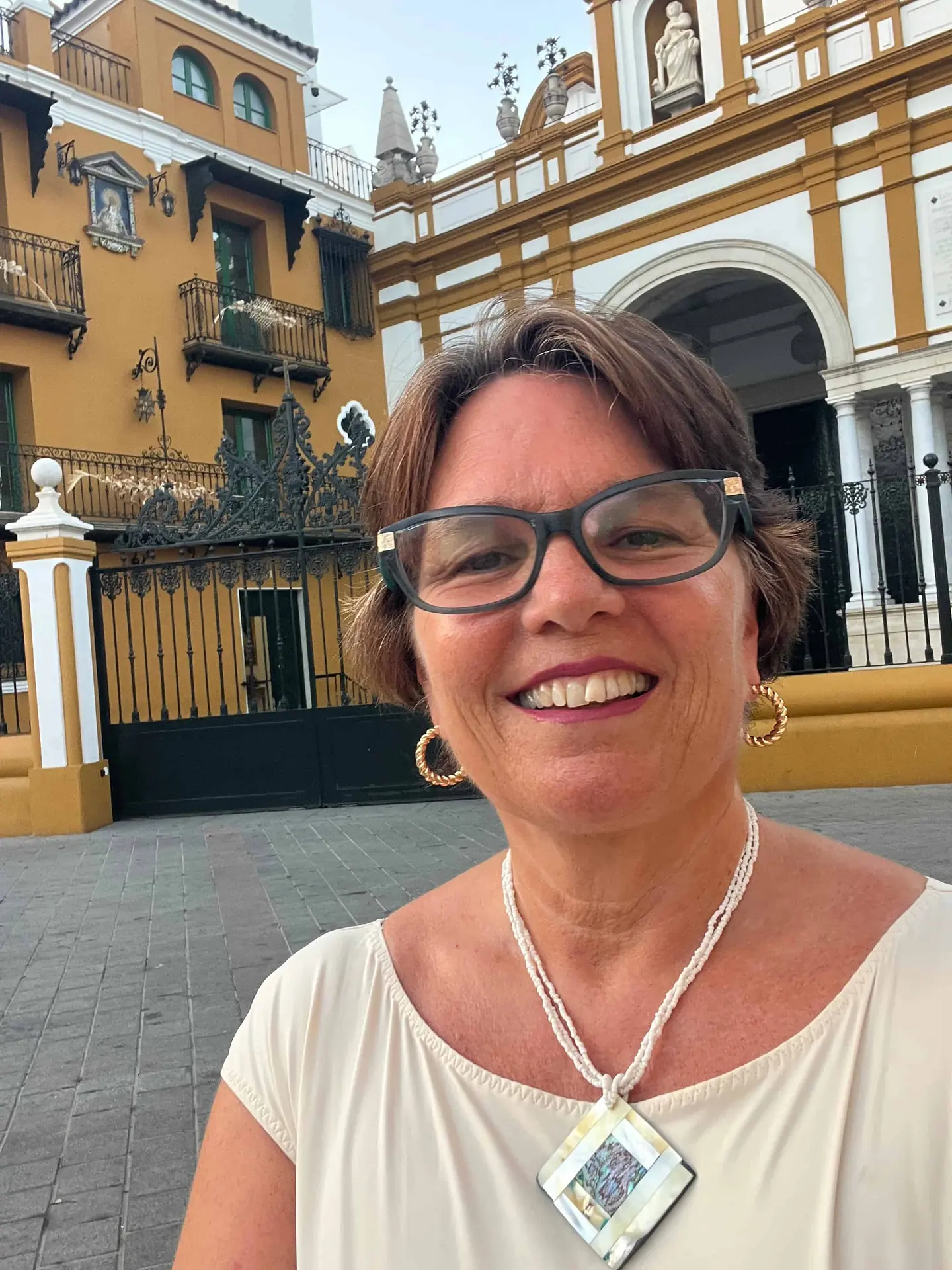
This text is written by Gunvor Guttormsen. She is the owner of DMC Seville and has worked in tourism in Seville since 1999. She is a true Seville lover and wants to share her passion and love for Seville with you.Last updated: 18 October 2026